
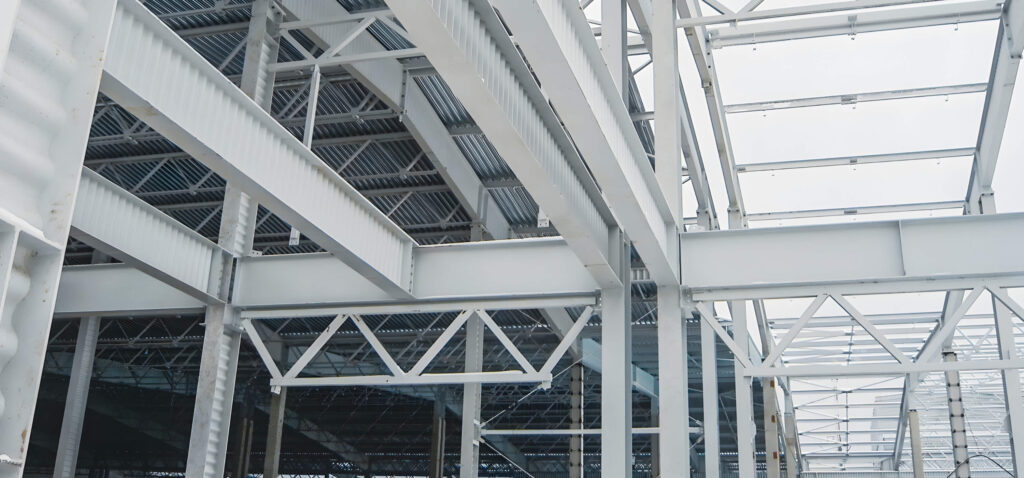
Pharmaceutical Reshoring in America Will Require More Than New Factories
Pharmaceutical manufacturing is coming back to America.
At least, that’s the goal.
Over the last several years, a combination of pandemic-era disruptions, geopolitical uncertainty, supply chain vulnerabilities, new policy initiatives, and growing concerns around access to critical medicines has pushed both government leaders and private industry to rethink where pharmaceutical production happens.
The momentum is difficult to ignore. Eli Lilly has announced plans for multiple new manufacturing sites. Johnson & Johnson, Merck, AstraZeneca, Novartis, and others have committed billions in new U.S. investments. Regulators have introduced programs designed to accelerate domestic manufacturing approvals. Discussions around tariffs and incentives continue to dominate industry conversations. At the same time, manufacturers are evaluating technologies such as automated vial inspection systems, automation platforms, and advanced quality control tools that can help new facilities scale efficiently while maintaining compliance.
From the outside, it can seem like the solution is straightforward: build more factories and bring production home.
But when we recently spoke with the team at Dabrico, a company that works closely with pharmaceutical manufacturers, they offered a different perspective.
The construction projects may be grabbing headlines.
The real challenge starts after the ribbon cutting.
The Push for Pharmaceutical Reshoring Is Accelerating
The case for pharmaceutical reshoring has become increasingly compelling.
According to industry research, a significant portion of active pharmaceutical ingredient manufacturing still occurs outside the United States, with many pharmaceuticals relying on complex international supplier networks before reaching American patients.
For years, those arrangements worked reasonably well. Global manufacturing lowered costs, improved efficiency, and allowed companies to scale production quickly.
Then COVID happened.
Suddenly, the weaknesses of a highly distributed supply chain became impossible to ignore. Shortages emerged. Shipping delays increased. Manufacturers struggled to obtain everything from APIs to packaging materials.
The experience left a lasting impression.
Today, both industry leaders and policymakers are asking the same question: How much pharmaceutical manufacturing capacity should the U.S. control directly?
According to Dabrico, that’s a conversation many manufacturers are now taking very seriously.
“We’re seeing a significant shift in how organizations think about manufacturing resiliency,” the company explained. “Five years ago, cost was often the primary driver. Today, access, security, and reliability are becoming equally important.”
Why the U.S. Wants to Bring Pharmaceutical Production Home
The push toward domestic production isn’t driven by a single factor.
Instead, several trends are converging at the same time.
First, there are concerns surrounding essential medicines and critical medicines. Policymakers increasingly view access to certain drugs as a strategic issue rather than simply a commercial one.
Second, there is growing recognition that long global supply chain networks create vulnerabilities. Every additional supplier, transportation route, and manufacturing location introduces another potential point of failure.
Third, economic and political pressures continue to accelerate the conversation.
Recent discussions around tariffs, manufacturing incentives, and regulatory reform have encouraged many companies to revisit their long-term reshoring strategy. The White House and federal agencies have also introduced initiatives aimed at encouraging more drug manufacturing within the country.
The result is a wave of new investments.
But according to Dabrico, building facilities is only one piece of the equation.
Reshoring Production of Pharmaceuticals Is About More Than Buildings
One theme came up repeatedly during our discussion with Dabrico.
Factories matter.
But factories alone don’t solve the problem.
The team pointed to a common misconception surrounding reshoring production of pharmaceuticals. Many observers assume that once a new manufacturing facility is built, production can simply begin.
The reality is considerably more complicated.
Every facility must be staffed. Equipment must be installed and qualified. Processes must be validated. Quality systems must be implemented. Regulatory expectations must be met.
And none of that happens overnight.
“People often focus on the building because it’s the most visible part of the investment,” Dabrico told us. “What they don’t see are the years of preparation required to turn that building into a functioning pharmaceutical operation.”
That’s where many organizations encounter challenges.
Manufacturing Operations Must Be Designed for Long-Term Success
A pharmaceutical facility is only as strong as the systems supporting it.
Successful manufacturing operations require:
- Qualified equipment
- Established quality systems
- Trained personnel
- Reliable suppliers
- Process validation programs
- Inspection capabilities
- Regulatory readiness
Each component plays a role.
Miss one, and problems follow.
Based on Dabrico’s experience, many organizations underestimate how much work occurs between construction completion and commercial manufacturing. The transition from project to production often takes longer than expected because pharmaceutical manufacturing demands a level of control that few industries require.
Simply put, pharmaceutical manufacturing isn’t just about producing a product.
It’s about consistently producing a compliant product.
Every single time.
Life Science Manufacturing Faces a Workforce Challenge
Perhaps the most overlooked aspect of life science manufacturing is workforce development.
For decades, pharmaceutical companies expanded manufacturing capabilities around the world. Entire regions developed specialized expertise in validation, quality assurance, engineering, automation, and production management.
Now, as onshoring accelerates, manufacturers are competing for many of those same skills domestically.
Finding qualified people isn’t always easy.
“We hear a lot about facilities and capital investment,” Dabrico explained. “What gets discussed less often is the competition for experienced pharmaceutical talent.”
That challenge spans nearly every function.
Companies need:
- Validation engineers
- Automation specialists
- Quality professionals
- Manufacturing managers
- Process engineers
- Equipment technicians
And they need them now.
Why Experience Matters in Pharmaceutical Manufacturing
Unlike many industries, pharmaceutical production operates under extensive regulatory oversight.
Small mistakes can have major consequences.
That means expertise matters.
Dabrico pointed out that successful pharmaceutical production depends on professionals who understand GMP requirements, qualification activities, risk management, inspection processes, and regulatory expectations.
Developing that expertise takes years.
Which is one reason workforce development remains such a critical component of any long-term reshoring strategy.
The Supply Chain Challenges Reshoring Pharmaceutical Manufacturing Cannot Ignore
Even if every planned manufacturing project moves forward successfully, another challenge remains.
The supply chain itself.
Many pharmaceutical manufacturers continue to rely on globally sourced materials. Active ingredients, packaging components, consumables, filters, and specialized equipment frequently originate from multiple countries before reaching a production site.
As Dabrico explained, reshoring final manufacturing doesn’t automatically mean you’ve rebuilt the entire ecosystem.
Not even close.
Why Bringing Supply Chains Back Takes Time
A resilient manufacturing network requires far more than a single facility.
It requires suppliers.
It requires infrastructure.
It requires logistics.
Most importantly, it requires time.
“One of the biggest misconceptions we see is the assumption that you can simply flip a switch and bring supply chains back,” Dabrico said. “In reality, supplier qualification alone can take years.”
That’s especially true in regulated industries.
New suppliers must be assessed. Materials must be tested. Processes must be validated. Documentation must be reviewed.
It’s a lengthy process. And an essential one.
How Automation Supports Pharmaceutical Reshoring
Another factor shaping the future of pharmaceutical reshoring is automation.
As labor shortages continue and production demands increase, manufacturers are looking for technologies that improve efficiency while supporting product quality.
Dabrico believes automation will play a major role in helping manufacturers scale new facilities successfully.
That includes everything from material handling and packaging systems to advanced inspection technologies.
For example, many manufacturers are exploring automated vial inspection systems as a way to improve consistency, reduce reliance on manual processes, and support growing production requirements.
Automation isn’t replacing people.
It’s helping them.
“Most pharmaceutical manufacturers aren’t looking to eliminate human expertise,” Dabrico explained. “They’re looking to make their teams more effective while improving consistency and quality.”
That distinction matters.
What a Successful Pharmaceutical Reshoring Strategy Looks Like
If there was one takeaway from our conversation with Dabrico, it was this:
Successful reshoring pharmaceutical manufacturing requires an ecosystem mindset.
Factories are important.
But so are suppliers.
So are universities.
So are workforce training programs.
So are infrastructure investments.
So are manufacturing technologies.
The organizations most likely to succeed will be those that recognize how interconnected these pieces really are.
After all, the pharma industry is uniquely positioned to benefit from a stronger domestic manufacturing base. But realizing that vision requires more than construction spending.
It requires coordination.
It requires planning.
And it requires patience.
Conclusion: Pharmaceutical Reshoring Requires an Entire Manufacturing Ecosystem
There is little debate that pharmaceutical reshoring is gaining momentum.
New facilities are being announced across the country. Major companies are committing billions in investments. Policymakers continue to support greater domestic production capacity. The movement is real.
But according to Dabrico, success won’t be determined by who builds the most factories.
It will be determined by who builds the strongest manufacturing ecosystem.
That means developing talent. Strengthening the supply chain. Supporting innovation. Expanding manufacturing expertise. Investing in equipment, infrastructure, and operational excellence.
The United States has already started rebuilding pharmaceutical manufacturing capacity.
The next challenge is making sure those facilities can thrive long after construction crews leave.
That’s the hard part.
And it’s the part that matters most.